Report of
FNCA 2025 Workshop on Nuclear Security and Safeguards Project
September 23-25, 2025
Quezon City, Philippines
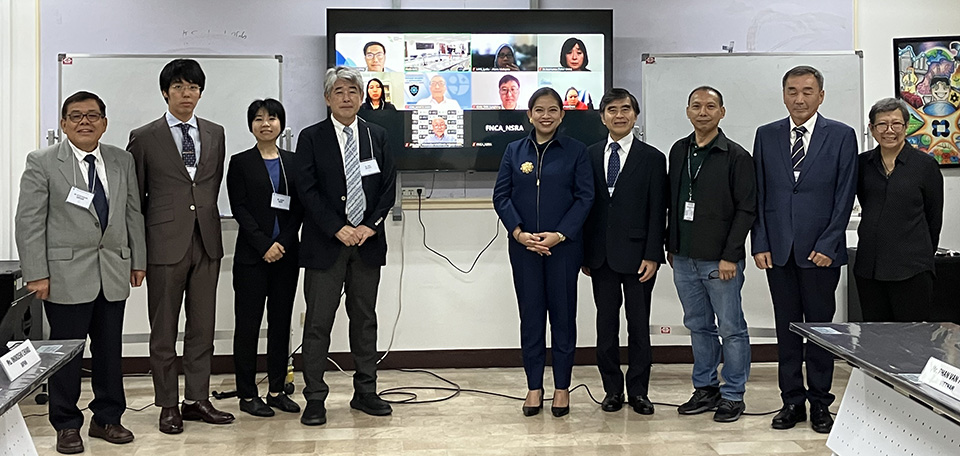
The FNCA 2025 Workshop on Nuclear Security and Safeguards Project took place in a hybrid form in Quezon City, the Philippines on 23-25 September 2025. This workshop was hosted by Philippine Nuclear Research Institute (PNRI) of the Philippines and Ministry of Education, Culture, Sports, Science and Technology (MEXT) of Japan.
[Workshop]
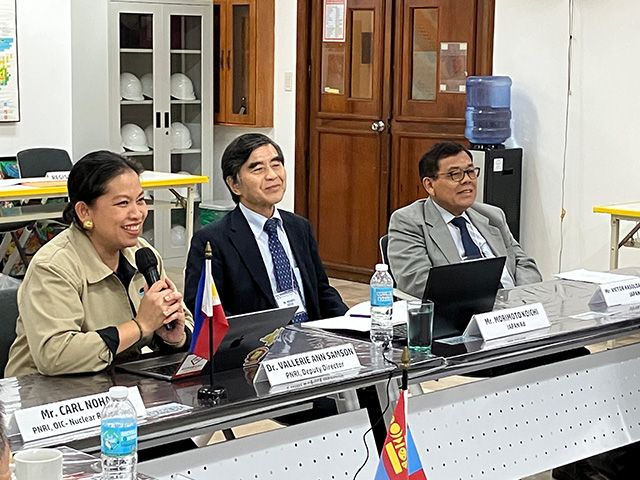
Dr. Vallerie Ann Samson, Deputy Director, Philippine Nuclear Research Institute (PNRI) and Mr. Morimoto Koichi, FNCA Advisor of Japan, delivered the opening remarks. Thereafter, the Workshop officially commenced.
 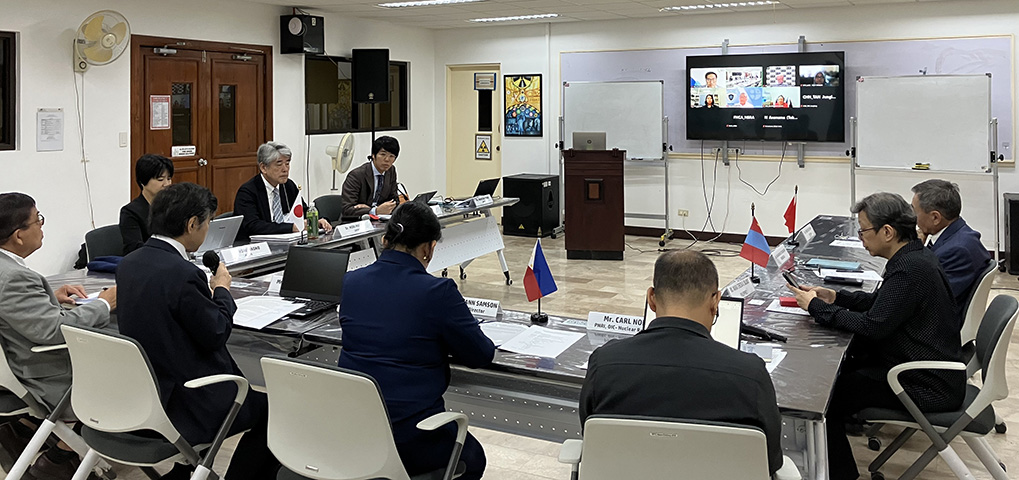
After the Opening Remarks, the introduction by each Workshop participant followed. The 15th FNCA Workshop had 28 participants from ten countries (China, Indonesia, Japan, Kazakhstan, Malaysia, Mongolia, the Philippines, Singapore, Thailand and Vietnam) and International Atomic Energy Agency (IAEA).
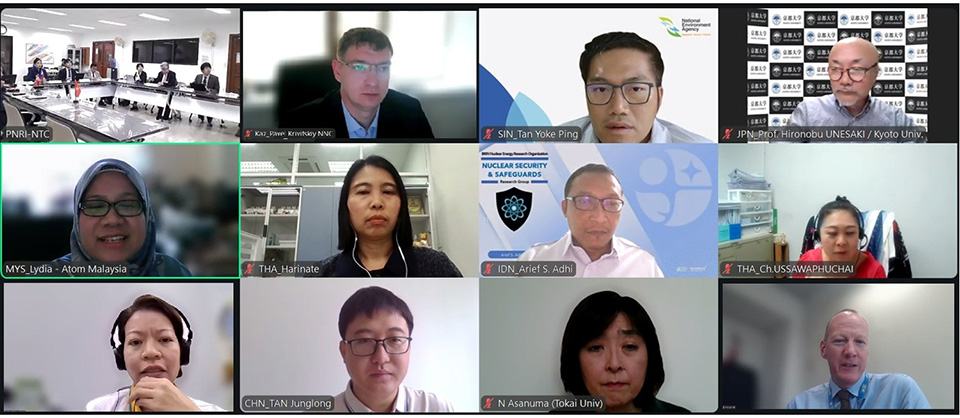
Following the participants’ introduction, Dr. Hori Masato, FNCA Nuclear Security and Safeguards Project Leader of Japan, moderated the adoption of the workshop agenda. The agenda was accepted by the participants and the workshop with eight sessions was opened.
[Technical visit]
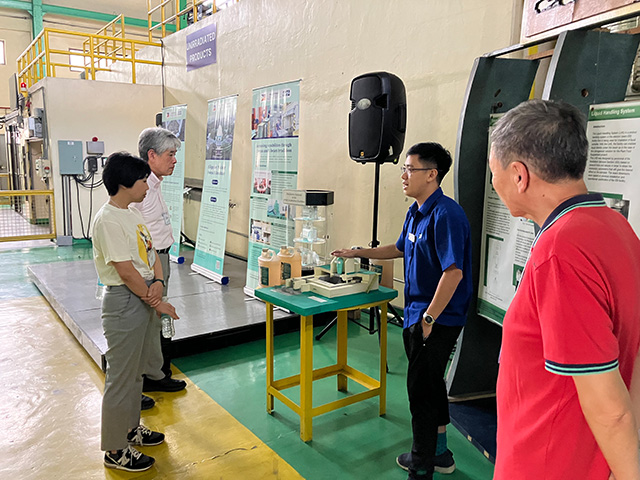
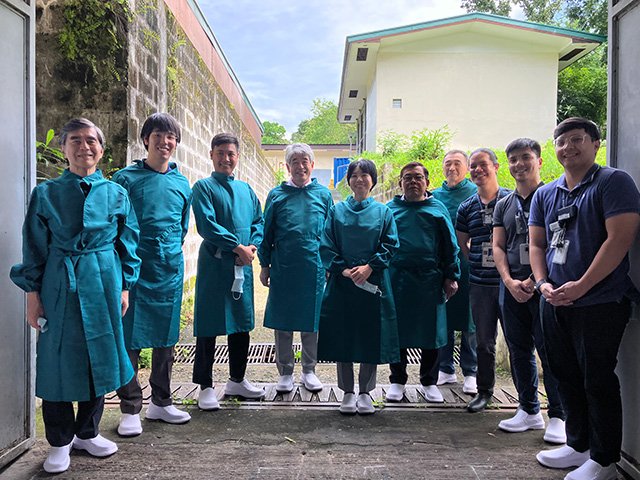
Technical visit was conducted at the nuclear instrumentation laboratory, PRR-1 SATER, radioactive waste management facility and electron beam irradiation facility.
[Open Seminar]
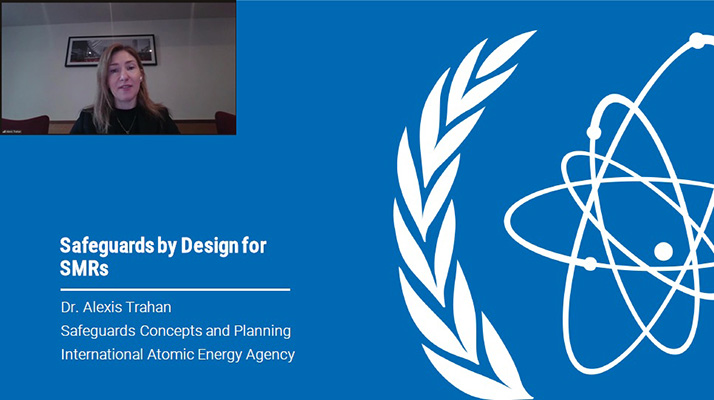
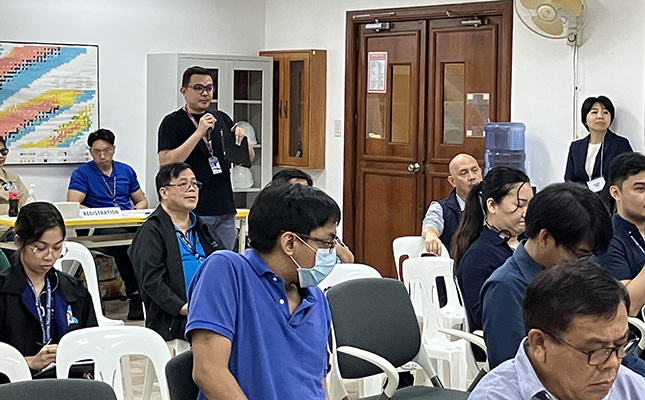
An open seminar on safeguards by design for Small Modular Reactors (SMRs) was held primarily for stakeholders in the Philippines on September 25.
Summary of
FNCA 2025 Workshop on Nuclear Security and Safeguards Project
September 23-25, 2025
Quezon City, Philippines
Sessions 1&2: Country Report
Moderator:
Mr. Phan Van Thanh, Vietnam Agency for Radiation and Nuclear Safety (VARANS), Vietnam
Dr. Hori Masato, Project Leader of Japan
10 countries (China, Indonesia, Japan, Kazakhstan, Malaysia, Mongolia, Philippines, Singapore, Thailand and Vietnam) presented their country reports to update their developments and improvements since the 2024 Workshop regarding the implementation of safeguards and nuclear security, the promotion of nuclear security culture and capacity building activities.
All countries reported close cooperation with international or regional organizations and other countries, to strengthen nuclear safeguards and security capacity building. Almost all country members have implemented activities to continuously improve their respective nuclear security and safeguards regime through bilateral and multilateral cooperation with the IAEA, other countries and organizations.
The consolidation of the country reports is shown in Session 7 of the Country Report Summary.
Session 3: Discussion on Safeguards Implementation
Moderator:
Ms. Maria Teresa A. Salabit, PNRI, Philippines
Presentations were delivered by IAEA and Indonesia
Mr. Peter Rance, IAEA
Mr. Arief Sasongko Adhi, National Research and Innovation Agency (BRIN), Indonesia
Mr. Peter Rance presented safeguards by design (SBD). He explained the comparison between the current safeguards technical measures and safeguards by design (SBD) for small modular reactors (SMR) and SBD can improve the effectiveness and efficiency of safeguards implementation. He outlined the four stages of the SBD process are review guidance, collaboration between IAEA and vendor, documentation, and implementation. Mr. Rance emphasized that safeguards by design can reduce risks to scope, schedule, budget, licensing timelines, as well as reducing operator burden, the need for retrofitting and facilitation of joint or duplicate use equipment. He noted that while the IAEA provides guidance, facility designers must initiate the process. He also discussed challenges, including the need for effective outreach to designers and the development of more specific guidance for advanced reactor designs.
Mr. Arief Sasongko Adhi shared Indonesia's experience with safeguards by design, including their research on proliferation resistance assessment and assessments of reactor systems offered to Indonesia. The conversation ended with discussions on regulatory requirements and the development of a roadmap for nuclear power plants in Indonesia.
Session 4: Discussion on Safeguards Implementation
Moderator:
Mr. Basankhuu Otgonsuren, The Executive Office of the Nuclear Energy Commission, Government of Mongolia (NEC), Mongolia
Presentations were delivered by Japan and Mongolia
Mr. Victor Siregar, Integrated Support Center for Nuclear Nonproliferation, Nuclear Security and Human Resource Development, Japan Atomic Energy Agency (ISCN/JAEA), Japan
Mr. Basankhuu Otgonsuren, NEC, Mongolia
Session 4 focused on the implementation of Complimentary Access (CA) under international safeguards agreements. The session included a practical exercise using videos developed by the ISCN/JAEA, a national presentation, and an open discussion among participants.
Mr. Victor Siregar facilitated an interactive exercise using video materials developed by ISCN/JAEA to demonstrate procedures and challenges related to Complimentary Access inspections. The exercise aimed to enhance understanding of inspection protocols, verification techniques, and IAEA inspector-state authority - operator interactions.
A presentation was delivered by Mr. Basankhuu Otgonsuren. The presentation highlighted national experiences, challenges and practices in implementing CA activities in line with IAEA safeguards requirements.
The discussion emphasized the importance of preparation and transparency between states authority, operator and inspectors during CA visits, as highlighted by Ms. Maria Teresa A. Salabit and Mr. Phan Van Thanh. It also underlined the value of practical exercises and simulation tools, such as ISCN/JAEA’s videos, in building capacity and familiarizing participants with inspection processes. Furthermore, suggestions were made to enhance regional cooperation and share experiences among FNCA member states to strengthen safeguards implementation, as proposed by Dr. Hori Masato and Mr. Victor Siregar.
Session 4 provided a valuable platform for FNCA members to engage with practical aspects of Complimentary Access. The combination of visual training aids and real-world examples contributed to a deeper understanding of safeguards implementation challenges and solutions.
Session 5: Discussion on Radiological and Nuclear Security (Insider Threat Mitigation)
Moderator:
Mr. Phan Van Thanh, VARANS, Vietnam
Presentations were delivered by Japan, Thailand, Malaysia and Vietnam
Ms. Noro Naoko, ISCN/JAEA, Japan
Dr. Issariya Chairam (on behalf of Ms. Harinate Mungpayaban), Office of Atoms for Peace (OAP), Thailand
Ms. Lydia Ilaiza Binti Saleh, Department of Atomic Energy Malaysia (Atom Malaysia), Malaysia
Mr. Phan Van Thanh, VARANS, Vietnam
This session focused on insider threat mitigation, a topic of growing importance for nuclear security. Member countries shared their national approaches, highlighting both regulatory measures and practical experiences. Presentations were delivered by ISCN/JAEA, Thailand, Malaysia, and Vietnam.
1. Japan
Ms. Noro Naoko presented its initiatives to address insider risks through the development of practical guidelines, training modules, and capacity-building activities aimed at enhancing personnel reliability and reinforcing nuclear security culture at both the operator and regulatory levels.
2. Thailand
Dr. Issariya Chairam outlined its graded approach to managing insider threats under the National Nuclear Energy for Peace Act, including regulatory requirements, facility-level implementation, and coordination mechanisms to ensure timely detection, response, and resilience.
3. Malaysia
Ms. Lydia Ilaiza Binti Saleh explained how insider threat prevention has been incorporated into inspection procedures and security plans. The presentation also highlighted the importance of engaging licensees and cooperating closely with law enforcement agencies to strengthen preparedness and response.
4. Vietnam
Mr. Phan Van Thanh introduced the new Atomic Energy Law 2025, which establishes insider threat mitigation as part of the Design Basis Threat framework, alongside requirements for physical protection and mandatory nuclear security culture. Vietnam also emphasized emerging global risks related to passive insiders, particularly vulnerabilities created by the widespread use of mobile messaging applications and Artificial Intelligence platforms.
In the discussion, participants agreed that insider threat mitigation must address both malicious insiders and passive insiders, consistent with IAEA methodology. The growing risks associated with digital communication and AI tools were recognized as an urgent challenge, even when such practices are unintentional. Delegates underlined the importance of awareness training, personnel reliability programs, and guidance on the responsible use of digital tools. Strengthening nuclear security culture was highlighted as a cross-cutting measure, while international cooperation under the FNCA framework was reaffirmed as essential to share experience and build collective resilience.
Session 6: Conclusions of 2025 Coordinators Meeting
Moderator:
Dr. Hori Masato, Project Leader of Japan
Outline of the NSSP, NSSP’s activities in 2024 and Action Plan 2024-2026 were reported from the Project Leader of Japan. Key topics included nuclear security and safeguards projects, with a focus on capacity building, nuclear forensics, and insider threat mitigation. The group discussed upcoming activities, including potential AP-CIT training in Korea and an NSS workshop in 2026.
Mr. Tan Yoke Ping (Singapore) suggested to have topic of setting up the safeguards office according to comprehensive safeguards agreement (CSA).
Participants were encouraged to propose topics for next year's workshop, with suggestions including drone security and nuclear forensics.
Session 7: Country Report Summary
The compilation of the country report summary (from Sessions 1 and 2) was presented by Ms. Maria Teresa A. Salabit (PNRI). Edits and comments were received and incorporated in the country report summary. The summary is attached to this report as “Country Report Summary.” The updated Country Report Summary will be posted on the FNCA website.
Session 8: Concluding Session
Dr. Hori Masato, Project Leader of Japan, concluded the workshop by providing a summary of what had been discussed and the proposals made. In his closing remarks, he expressed the appreciation to Philippines for hosting the workshop for 2025. He announced that the host country of the 2026 workshop will be Japan and emphasized the importance of in-person participation. To encourage in-person attendance, he proposed that each country assign an alternate project leader.
Dr. Vallerie Ann Samson, Deputy Director, PNRI, affirmed the Philippines’ commitment in the FNCA project of Nuclear Security and Safeguards. She encouraged collaboration among FNCA members to achieve the objectives of this project.
After the delivery of the closing remarks, the Workshop was closed.
Technical Visit
As a technical visit, FNCA members went to the nuclear instrumentation laboratory, PRR-1 SATER, radioactive waste management facility and electron beam irradiation facility. Through this Technical visit, FNCA members shared valuable information regarding nuclear activities in the Philippines.
Open Seminar
Moderator:
Ms. Noro Naoko, ISCN/JAEA, Japan
Presentations were delivered by Japan and IAEA
Mr. Nakajima Shogo, Ministry of Education, Culture, Sports, Science and Technology (MEXT), Japan
Dr. Alexis Trahan, IAEA
The FNCA organized an open seminar on safeguards by design for Small Modular Reactors (SMRs) on September 25. The seminar, primarily for Philippines stakeholders, was attended by 40 Participants.
Ms. Noro Naoko from ISCN/JAEA served as the moderator, introducing the event and highlighting the importance of active participation. Dr. Masato Hori, NSS project leader of Japan, provided an overview of the 15th annual workshop, emphasizing knowledge sharing and good practices in nuclear security and safeguards. The seminar featured presentations from the Ministry of Science and Technology of Japan (MEXT) and the IAEA, followed by an open discussion session.
1. International Nuclear Cooperation and Contribution for Asian Countries
Mr. Nakajima Shogo outlined key initiatives for nuclear human resources development in Asia, including Instructor Training Program (ITP) and Nuclear Researchers Exchange Program (NREP), while highlighting FNCA's 25-year history and ongoing projects in nuclear technology applications.Â?
2. Safeguards by design for SMR
Dr. Alexis Trahan presented on safeguards for SMRs, highlighting differences between traditional and advanced reactor technologies. She emphasized the importance of considering safeguards early in the design process through "safeguards by design" to address potential challenges and ensure effective verification, discussing addressing challenges specific to different reactor technologies, with the IAEA emphasizing collaboration with reactor vendors and the development of new model safeguards approaches.
Attachment:
- Agenda
- List of Participants
- Summary of Country Reports
Program of
FNCA 2025 Workshop on Nuclear Security and Safeguards Project
September 23-25, 2025
Quezon City, Philippines
Workshop Day 1: September 23, Tuesday
| 09:30-10:10 |
Opening Remarks by:
- Dr. Vallerie Ann Samson, Deputy Director, PNRI
- Mr. Morimoto Koichi, FNCA Advisor of Japan, Japan
Introduction of Members
Adoption of the Agenda
Group Photo |
| 10:10-10:35 |
Coffee Break |
10:35-11:50 |
Session 1: Country Reports I
Moderator: Mr. Phan Van Thanh, Vietnam
- China
- Indonesia
- Japan
- Kazakhstan
- Malaysia |
| 11:50-13:00 |
Lunch Break |
13:00-14:45 |
Session 2: Country Reports II
Moderator: Dr. Hori Masato, Japan
- Mongolia
- Philippines
- Singapore
- Thailand
- Vietnam |
| 14:45-15:15 |
Coffee Break |
| 15:15-16:30 |
Session 3: Discussion on Safeguards Implementation
Moderator: Ms. Maria Teresa A. Salabit, Philippines
<Safeguards by design for SMR>
- Safeguards by design for SMR
Mr. Peter Rance, IAEA
- Presentation from Indonesia
< Discussion > |
|
Workshop Day 2: September 24, Wednesday
09:30-11:00 |
Session 4: Discussion on Safeguards Implementation
Moderator: Mr. Basankhuu Otgonsuren, Mongolia
< Complimentary Access (CA) Implementation>
- Exercises using JAEA’s CA videos
Mr. Victor Siregar, ISCN/JAEA
- Presentation from Mongolia
< Discussion > |
| 11:00-11:15 |
Coffee Break |
| 11:15-12:30 |
Session 5: Discussion on Radiological and Nuclear Security
(Insider Threat Mitigation)
Moderator: Mr. Phan Van Thanh, Vietnam
< Insider Threat Mitigation >
Presentation from FNCA member states on challenges and/or good practices on insider threat mitigation and discussion
- Introductory Presentation
Ms. Noro Naoko, ISCN/JAEA
- Thailand, Malaysia, Vietnam
< Discussion > |
| 12:30-14:00 |
Lunch Break |
| 14:00-14:30 |
Session 6: Conclusions of 2025 Coordinators Meeting
Moderator: Dr. Hori Masato, Project Leader of Japan |
14:30-15:00 |
Session 7: Country Report Summary
Presentation: Ms. Maria Teresa A. Salabit, Philippines |
| 15:00-16:00 |
Session 8: Concluding Session
Moderator: Dr. Hori Masato, Project Leader of Japan
- Summary of WS in 2025 and Next workshop (Agenda, Possible host country, Dates, etc.)
< Closing Remarks>
- FNCA’s Representative: Dr. Hori Masato, Project Leader of Japan
- Dr. Vallerie Ann Samson, Deputy Director, PNRI |
Workshop Day 3: September 25, Thursday
09:30-12:00 |
Technical Visit (In person only)
- Philippine Nuclear Research Institute (PNRI), Philippine Research Reactor-1 |
13:30-15:30 |
Open Seminar (for Philippines stakeholders: hybrid)
International Nuclear Cooperation and Contribution for Asian Countries
Mr. Nakajima Shogo, MEXT, Japan
Safeguards by design for SMR
Dr. Alexis Trahan, IAEA
Discussion on SBD for SMR |
|
List of Participants
FNCA 2025 Workshop on Nuclear Security and Safeguards Project
September 23-25, 2025
Quezon City, Philippines
China
Mr. Tan Junlong
Senior Engineer,
State Nuclear Security Technology Center
Indonesia
Mr. Arief Sasongko Adhi
Research Scientist in Nuclear Security & Safeguards
Nuclear Energy Research Organization (ORTN)
National Research and Innovation Agency (BRIN)
Japan
Mr. Morimoto Koichi
FNCA Advisor of Japan
Mr. Nakajima Shogo
Ministry of Education, Culture, Sports, Science and Technology (MEXT)
Dr. Hori Masato
Senior Technical Specialist
Integrated Support Center for Nuclear Nonproliferation, Nuclear Security and Human Resource Development (ISCN)
Japan Atomic Energy Agency (JAEA)
Ms. Noro Naoko
General Manager, Capacity Building support Office
Integrated Support Center for Nuclear Nonproliferation, Nuclear Security and Human Resource Development (ISCN)
Japan Atomic Energy Agency (JAEA)
Mr. Victor Hasoloan Siregar
Visiting Researcher
Integrated Support Center for Nuclear Nonproliferation, Nuclear Security and Human Resource Development (ISCN)
Japan Atomic Energy Agency (JAEA)
Dr. Asanuma Noriko
Associate Professor, School of Engineering
Tokai University
Prof. Unesaki Hironobu
Professor, Institute for Integrated Radiation and Nuclear Science
Kyoto University
Ms. Inokoshi Chiaki (Secretariat)
Nuclear Safety Research Association (NSRA)
Ms. Komoto Minako (Secretariat)
Nuclear Safety Research Association (NSRA)
Ms. Nishimura Yu (Secretariat)
Nuclear Safety Research Association (NSRA)
Kazakhstan
Mr. Pavel Krivitskiy
Head of the Special Projects Department
National Nuclear Center of the Republic of Kazakhstan
Malaysia
Ms. Lydia Ilaiza Binti Saleh
Head of Safety Section, Nuclear Installation Division
Department of Atomic Energy Malaysia (Atom Malaysia)
Mongolia
Mr. Basankhuu Otgonsuren
Member of the radiation safety counsel
The Executive Office of the Nuclear Energy Commission
Government of Mongolia
Philippines
Ms. Maria Teresa A. Salabit
Supervising Science Research Specialist
Philippine Nuclear Research Institute (PNRI)
Mr. John Richard A. Fernandez
Senior Science Research Specialist
Nuclear Safeguards and Security Section
Nuclear Regulatory Division
Philippine Nuclear Research Institute (PNRI)
Mr. Joseph Christian O. Isidro
Science Research Specialist II
Nuclear Safeguards and Security Section
Nuclear Regulatory Division
Philippine Nuclear Research Institute (PNRI)
Mr. William Patrick D. Asistin
Project Technical Aide VI
Nuclear Safeguards and Security Section
Nuclear Regulatory Division
Philippine Nuclear Research Institute (PNRI)
Ms. Eileen Beth A. Hernandez
Science Research Specialist II
Nuclear Safeguards and Security Section
Nuclear Regulatory Division
Philippine Nuclear Research Institute (PNRI)
Mr. Gilbert M. Poralan Jr.
Supervising Science Research Specialist
Section Head, International Cooperation Section
Technology Diffusion Division,
Philippine Nuclear Research Institute (PNRI)
Singapore
Mr. Tan Yoke Ping
Assistant Director
National Environment Agency
Thailand
Ms. Harinate Mungpayaban
Head, Security and Safeguards Technical Support Section
Office of Atoms for Peace (OAP)
Ms. Chadtaparuda Ussawaphuchai
Senior Radiation Physicist
Office of Atoms for Peace (OAP)
Dr. Issariya Chairam
Senior Radiation Physicist
Office of Atoms for Peace (OAP)
Vietnam
Mr. Phan Van Thanh
Official
Vietnam Agency for Radiation and Nuclear Safety (VARANS)
IAEA
Dr. Peter Rance
CCA Section Head
Department of Safeguards
International Atomic Energy Agency (IAEA)
Dr. Alexis Trahan
Safeguards Technical Specialist
Department of Safeguards
International Atomic Energy Agency (IAEA)
|